Discover the Beauty of San Blas Islands, Panama
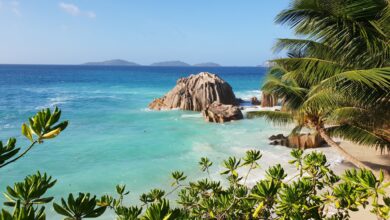
The San Blas Islands, officially known as the Guna Yala archipelago, are located off Panama’s Caribbean coast in the autonomous territory of Guna Yala. The archipelago consists of approximately 365 islands and cays, though only about 49 are inhabited. The islands feature white sand beaches, coral reefs, and clear Caribbean waters.
The archipelago serves as the homeland of the Guna people, an indigenous group that has maintained political autonomy since 1925. The Guna have preserved their traditional governance system, language, and cultural practices while managing the territory’s tourism and natural resources. Visitors to the islands can observe traditional Guna crafts, including the creation of molas (colorful textile art), and experience the community’s sustainable fishing and coconut farming practices.
The islands’ economy relies primarily on coconut production, fishing, and controlled tourism. The Guna government regulates visitor access to protect both the environment and cultural integrity of the region. Transportation to the islands typically requires a combination of land and boat travel from Panama City or other coastal areas.
Key Takeaways
- The San Blas Islands are a beautiful archipelago known for their rich indigenous culture and history.
- The islands boast stunning natural landscapes, including pristine beaches and vibrant marine life.
- Visitors can enjoy various activities such as snorkeling, island hopping, and cultural tours.
- Accommodation ranges from rustic eco-lodges to comfortable guesthouses, with local dining options highlighting traditional cuisine.
- Sustainable tourism and conservation efforts are key to preserving the islands’ environment and cultural heritage.
History and Culture of the San Blas Islands
The history of the San Blas Islands is as rich as the vibrant colors of the Guna’s traditional molas—handmade textiles that showcase intricate designs and patterns.
I remember wandering through one of the local villages, where I was greeted with warm smiles and the rhythmic sounds of traditional music.
The Guna’s resilience is evident in their commitment to preserving their language, customs, and governance, which remains largely autonomous from Panama. As I delved deeper into their culture, I learned about the significance of their traditional dress and the molas that adorn it. Each mola tells a story, often depicting elements of nature or Guna mythology.
The vibrant colors and intricate designs captivated me, and I found myself purchasing a few pieces as souvenirs—not just for their beauty but as a way to support local artisans. The Guna’s connection to their land is palpable; they view themselves as guardians of these islands, which adds an enriching layer to any visit.
The Stunning Natural Beauty of the San Blas Islands

The natural beauty of the San Blas Islands is nothing short of breathtaking. As I sailed from island to island on a small boat, I was struck by the sheer diversity of landscapes—each island seemed to have its own unique charm. Some were lush with palm trees swaying in the breeze, while others were mere specks of sand surrounded by turquoise waters that sparkled under the sun.
The vibrant coral reefs teeming with marine life beckoned snorkelers and divers alike, offering glimpses of colorful fish darting among the corals. One afternoon, I found myself on a secluded beach where the only sounds were the rustling palms and distant calls of seabirds. The air was filled with the scent of fresh coconuts, and I couldn’t resist cracking one open to enjoy its sweet water.
As I lounged on the beach, I marveled at how untouched these islands felt—there were no high-rise hotels or crowded tourist spots, just nature in its purest form. It was a reminder of how precious these ecosystems are and how vital it is to protect them for future generations.
Activities and Attractions on the San Blas Islands
The San Blas Islands offer an array of activities that cater to every type of traveler. For those seeking adventure, snorkeling and diving are must-do experiences. I vividly recall my first snorkeling trip; as I slipped into the water, I was greeted by an underwater wonderland.
Schools of fish swirled around me, while vibrant corals painted a stunning backdrop. The visibility was incredible, allowing me to appreciate every detail of this underwater paradise. For those who prefer to stay on land, exploring the local villages is an enriching experience.
I spent an afternoon wandering through one such village, where I had the opportunity to interact with local artisans and learn about their crafts. The Guna people are known for their intricate beadwork and traditional fishing techniques, which have been passed down through generations. Engaging with them not only deepened my understanding of their culture but also left me with lasting memories and unique souvenirs.
Accommodation and Dining Options on the San Blas Islands
When it comes to accommodation in the San Blas Islands, options range from rustic cabins to more luxurious eco-lodges. During my stay, I opted for a charming beachfront cabana that offered stunning views of the sunrise each morning. Waking up to the sound of waves crashing against the shore was a dream come true.
The simplicity of my accommodations allowed me to fully immerse myself in the natural beauty surrounding me without distractions. Dining on the islands is an experience in itself.
One evening, I enjoyed a feast of grilled fish accompanied by coconut rice and plantains—a meal that perfectly captured the flavors of the Caribbean. Dining under a canopy of stars with the sound of waves in the background created an unforgettable atmosphere that made each meal feel like a celebration.
How to Get to the San Blas Islands

Reaching the San Blas Islands requires a bit of planning but is well worth the effort. Most travelers begin their journey in Panama City, where several tour operators offer packages that include transportation to the islands. After a scenic drive through lush landscapes, we arrived at a small port where we boarded a boat that would take us across the sparkling waters to our destination.
The boat ride itself was an adventure; as we sped across the waves, I felt a sense of excitement building within me. The journey took about an hour, during which we passed several smaller islands that dotted the horizon like jewels in a crown. Upon arrival, I was immediately struck by the beauty surrounding me—this was paradise in its purest form.
Tips for Visiting the San Blas Islands
Visiting the San Blas Islands requires some preparation to ensure you make the most of your experience. First and foremost, it’s essential to respect local customs and traditions. The Guna people are proud of their heritage, and visitors should be mindful when taking photographs or interacting with locals.
A simple greeting in their language can go a long way in fostering goodwill. Additionally, packing essentials such as sunscreen, insect repellent, and reusable water bottles is crucial since amenities can be limited on some islands. I also recommend bringing cash in small denominations for purchasing local crafts or snacks from vendors.
Lastly, be prepared for an off-the-grid experience; Wi-Fi is scarce, allowing you to truly disconnect and immerse yourself in this tropical paradise.
Conservation Efforts and Sustainable Tourism in the San Blas Islands
As tourism continues to grow in popularity within the San Blas Islands, conservation efforts have become increasingly important to protect this fragile ecosystem. Many local organizations are dedicated to promoting sustainable tourism practices that benefit both visitors and residents alike. During my visit, I learned about initiatives aimed at preserving coral reefs and protecting marine life from overfishing.
Supporting local businesses is another way travelers can contribute to conservation efforts. By choosing locally-owned accommodations and dining options, visitors help ensure that tourism dollars remain within the community, fostering economic growth while preserving cultural heritage. It was heartening to see how passionate both locals and visitors were about protecting this paradise; it reinforced my belief that responsible travel can lead to positive change.
In conclusion, my journey to the San Blas Islands was nothing short of transformative. From its rich history and vibrant culture to its stunning natural beauty and commitment to sustainability, this archipelago offers an unparalleled travel experience that lingers long after you leave its shores. Whether you’re seeking adventure or simply a place to unwind, the San Blas Islands promise memories that will last a lifetime—an invitation to explore one of nature’s most exquisite creations while honoring its guardians: the Guna people.
FAQs
Where are the Islas San Blas located?
The Islas San Blas are an archipelago located off the Caribbean coast of Panama, near the border with Colombia. They are part of the Guna Yala comarca, an autonomous indigenous territory.
How many islands make up the Islas San Blas?
The archipelago consists of approximately 365 islands and cays, although only about 49 of them are inhabited.
Who are the indigenous people of the Islas San Blas?
The islands are home to the Guna (also spelled Kuna) people, an indigenous group known for their rich culture, traditional dress, and vibrant molas (textile art).
What is the best way to reach the Islas San Blas?
Most visitors reach the islands by boat from the town of Cartí on the Panamanian mainland. Cartí is accessible by road from Panama City, which is about a 2.5 to 3-hour drive away.
What activities can tourists do in the Islas San Blas?
Popular activities include snorkeling, swimming, island hopping, exploring the local culture, and relaxing on pristine beaches.
Are there accommodations available on the islands?
Yes, there are several eco-lodges and guesthouses run by the Guna people, offering basic but comfortable accommodations. Most lodging is rustic and focused on sustainable tourism.
Is it necessary to hire a guide or tour to visit the Islas San Blas?
While not mandatory, hiring a local guide or booking a tour is recommended to navigate the islands, respect local customs, and ensure a smooth visit.
What is the climate like in the Islas San Blas?
The islands have a tropical climate with a dry season from December to April and a rainy season from May to November.
Are there any restrictions or rules for visitors to the Islas San Blas?
Yes, visitors are expected to respect the Guna culture and traditions. Alcohol consumption is often restricted, and visitors should seek permission before photographing locals.
Is the Islas San Blas archipelago environmentally protected?
While not officially a national park, the Guna Yala comarca has regulations to protect the environment and maintain sustainable tourism practices.